لوڈ ہو رہا ہے…
Virtual autism & screen time
Screen exposure, WHO/AAP guidance, and what it means.
ورچوئل آٹزم ایک ایسی اصطلاح ہے جو کم عمر بچوں میں آٹزم جیسی علامات کو بیان کرنے کے لیے استعمال کی جاتی ہے جسے بعض محققین ابتدائی عمر میں ضرورت سے زیادہ اسکرین دیکھنے سے جوڑتے ہیں۔ یہ کوئی باضابطہ طبی تشخیص نہیں ہے، اس پر سائنسی تحقیق ابھی جاری ہے، اور سوئرا (Soira) اسے اسکرین، زبان کی نشوونما اور ابتدائی بچپن سے متعلق ایک وسیع تر گفتگو کا حصہ سمجھتا ہے، نہ کہ کوئی حتمی تشخیص یا علاج۔
مضامین
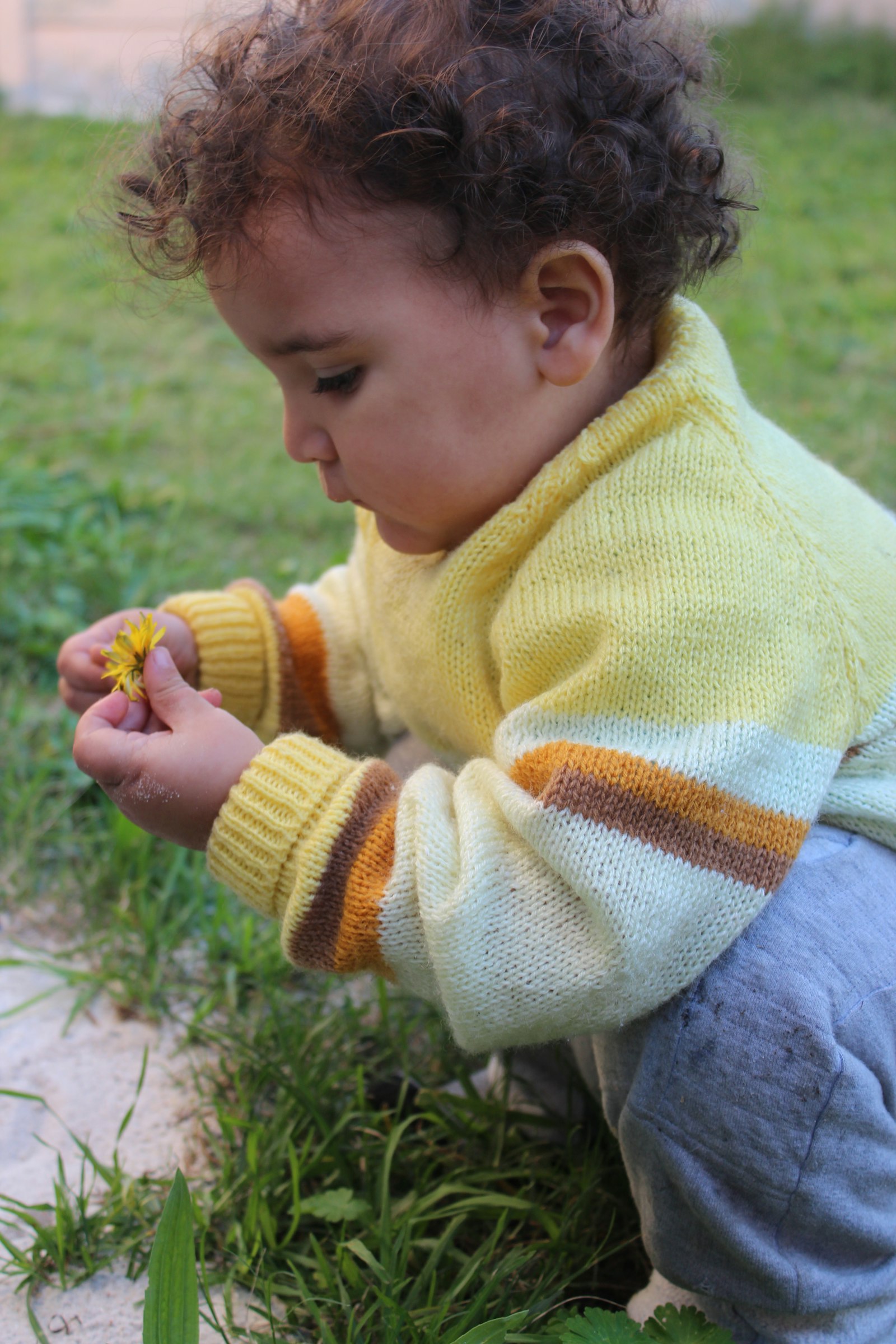
Virtual autism & screen time
To grow up healthy, children need to sit less and play more
WHO 2019 guidance on physical activity, sedentary behaviour, and screen time for children under five — including the recommendation of no screen time for under-ones and no more than one hour for two- to four-year-olds.
World Health Organization (WHO)

Virtual autism & screen time
Screen time and digital technology use: pre-schoolers
A practical Raising Children Network guide to healthy screen use for pre-schoolers — how much, what kind, and how to build a household routine. Includes guidance on co-viewing and on replacing passive watching with active play.
Raising Children Network (Australia)
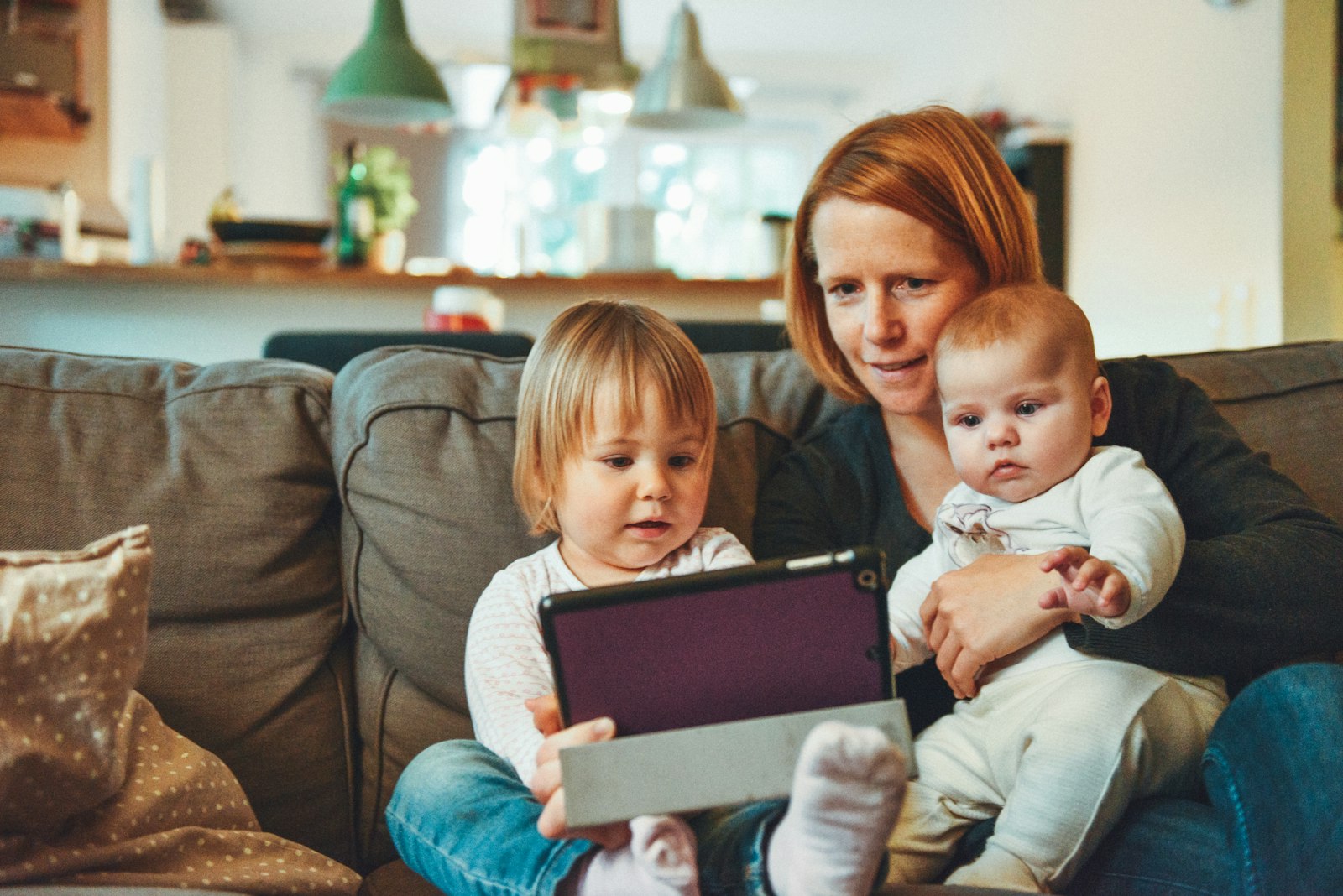
Virtual autism & screen time
Family Media Plan
The American Academy of Pediatrics' tool for building a household media plan — bedtime, mealtime, and content guidelines tailored to each child's age, with practical examples for younger and older children.
American Academy of Pediatrics (AAP) — HealthyChildren.org
ویڈیوز اور پوڈ کاسٹ
Serve and return interaction shapes brain circuitry
Center on the Developing Child at Harvard University
5 steps for brain-building serve and return
Center on the Developing Child at Harvard University
Pediatrician guidance on children's media use
American Academy of Pediatrics (AAP)
لغت سے
Virtual autism
A term used by some researchers to describe autism-like signs in very young children that they link to prolonged early screen exposure. It is not a formal diagnosis, the research is still developing, and screens are not the only factor in any individual child. Soira treats it as one piece of a wider conversation about screens, language, and the early years.
Screen time
The time a child spends in front of a screen — TVs, phones, tablets, computers. The WHO recommends zero screen time under age one and no more than an hour of supervised, high-quality content per day for children aged two to four. Active, co-viewed time is generally considered less concerning than passive scrolling.
Passive screen exposure
Watching a screen on your own without interaction or back-and-forth conversation. The concern is that passive watching displaces the kind of serve-and-return play that helps a young brain build language and connection. Co-viewing — where an adult talks with the child about what they are seeing — looks very different.
WHO screen-time guideline
The World Health Organization's 2019 guidance for children under five recommends no screen time for under-ones, no more than one hour per day for two- to four-year-olds, and prioritising physical activity and sleep. The numbers are guidance — context (what content, with whom, instead of what) matters as much as duration.
AAP screen-time guideline
The American Academy of Pediatrics suggests avoiding screens for children under 18–24 months except for video chats, limiting media to short, supervised, high-quality content for ages 2–5, and building a family media plan that fits each household. Similar in spirit to the WHO guidance, with more flexibility on co-viewing.
Co-viewing
Watching media together with your child and talking about what you are seeing. Co-viewing turns passive watching into a shared activity — the adult points things out, asks questions, names emotions — and is generally considered far less concerning than solo screen time.
Background TV
A television playing in the room while a child is doing something else. Even when nobody is watching directly, background TV reduces the amount of language young children hear from adults and the quality of parent-child interaction. Turning it off when it is not actively being watched is a small, high-impact change.
Autoplay
The feature on streaming services that automatically queues the next video. Autoplay turns a short, intentional viewing session into a long passive one, especially for young children who cannot self-regulate stopping. Most platforms let you turn it off in account settings — a small change with outsized effect.
Media displacement hypothesis
The idea that the main concern with early screen time is not the screen itself but what it replaces — back-and-forth conversation, play, sleep, time outside. Two hours of high-quality content alongside a rich day looks different from two hours that crowd out everything else.
Serve and return
The everyday back-and-forth between an adult and a young child — a coo, a look, a smile, a question, a pointing finger. Researchers at Harvard's Center on the Developing Child describe serve-and-return as one of the most important things adults can offer a young brain. Screens at their worst displace it; at their best, adults co-view and keep it going.
Media mentoring
A way of framing the parent's role with screens — not gatekeeper but guide. You choose the content together, talk about it, and model healthy screen habits yourself. Media mentoring assumes screens will be part of the child's life and focuses on how to use them well.
Early language environment
The pool of words and conversational turns a child is exposed to in the first years of life. Rich, responsive language environments support language development; quiet ones (or ones dominated by background noise from screens) do less. The mix of vocabulary, conversational turns, and reading aloud all matter.
عام سوالات
Is screen time really harmful for young children?
The concern is less about screens themselves and more about what they displace: back-and-forth play, language exposure, time outside. The WHO and AAP suggest little or no screen time before age two, then short, supervised, co-viewed sessions. If you can talk with your child about what they are watching, that is different from leaving them alone with autoplay.
Can screen time cause autism?
The current evidence is that autism is largely shaped by genetics, not by screens. What the research does suggest is that very high screen exposure in the early years can be associated with autism-like signs (sometimes called "virtual autism"), but it is hard to tell cause from effect, and many of those children are autistic regardless of screen use. The honest answer: heavy passive screens in infancy are not good for any child, autistic or not, and reducing them is always a reasonable step.
Do video calls count as screen time?
Most paediatric guidance treats live video calls (with a grandparent, a relative, a friend) differently from passive watching. They involve real, two-way interaction, which is the kind of input young brains thrive on. The AAP makes an explicit exception for video chats in its under-18-month guidance. Long, frequent video calls are still tiring; short ones with people who matter are generally fine.
What about educational shows like Sesame Street?
High-quality educational content is better than fast-paced entertainment, especially when an adult watches and talks about it with the child. Under two, the evidence that any educational show meaningfully teaches babies is thin. From age two onwards, short sessions of well-chosen content, co-viewed and discussed, can be a small positive. The label "educational" by itself does not mean much: the content and the conversation around it do.
My toddler loves the tablet. Should I take it away?
Going from a lot of tablet to none, suddenly, is hard on everyone. A gentler approach: shrink the sessions, watch together when you can, and slowly replace some screen time with the kind of play they would actually pick if a screen were not the easiest option (bath, water play, sand, drawing). The goal is not zero screens for life: it is screens taking up less of the day, and you using them deliberately.
Is it okay to use a screen at mealtimes?
Mealtimes are one of the most valuable times for family conversation, language development, and feeding behaviour, so most paediatric guidance suggests keeping screens off during meals where possible. We get it: some autistic children eat better with a screen. If a screen is the difference between eating and not eating right now, use it without guilt, and slowly try a meal a week without one.
How much screen time is okay for my child?
The headline numbers from the WHO and AAP are: no screen time for under-ones, very little for one- and two-year-olds, and up to roughly an hour a day of supervised content for two- to four-year-olds. What is more useful is the question underneath: is screen time crowding out conversation, play, sleep, and time outside? If yes, it is too much for your household, regardless of the number.