لوڈ ہو رہا ہے…
Behaviour & sensory
Meltdowns, stimming, sensory needs, and regulation.
حسی پروسیسنگ کے فرق، اسٹمنگ اور جذباتی میلٹ ڈاؤن اعصابی نظام سے گہرے جڑے ہوئے ہیں۔ حسی میلٹ ڈاؤن اور روایتی ضد کے درمیان فرق کو سمجھنا، حسی محرکات کی شناخت کرنا اور روزمرہ کے معمولات کو یقینی بنانا نگہداشت کرنے والوں کو جذباتی توازن میں مدد دیتا ہے۔
مضامین

Behaviour & sensory
Meltdowns — what they are and how to help
A practical, neurodiversity-affirming guide from the UK National Autistic Society distinguishing meltdowns from tantrums and offering ways to help a child through one.
National Autistic Society (UK)

Behaviour & sensory
Stimming — a guide for parents and carers
The UK National Autistic Society's explainer on stimming written for families — what it is, why autistic people stim, and how to respond. Written with input from autistic adults.
National Autistic Society (UK)

Behaviour & sensory
Autistic burnout and masking — what they are and how to recover
Autistic burnout is a distinct, recognisable state different from depression — sustained exhaustion, loss of skills, and increased sensory sensitivity, often driven by years of masking. This piece covers what the research now describes and what recovery looks like.
Behaviour & sensory
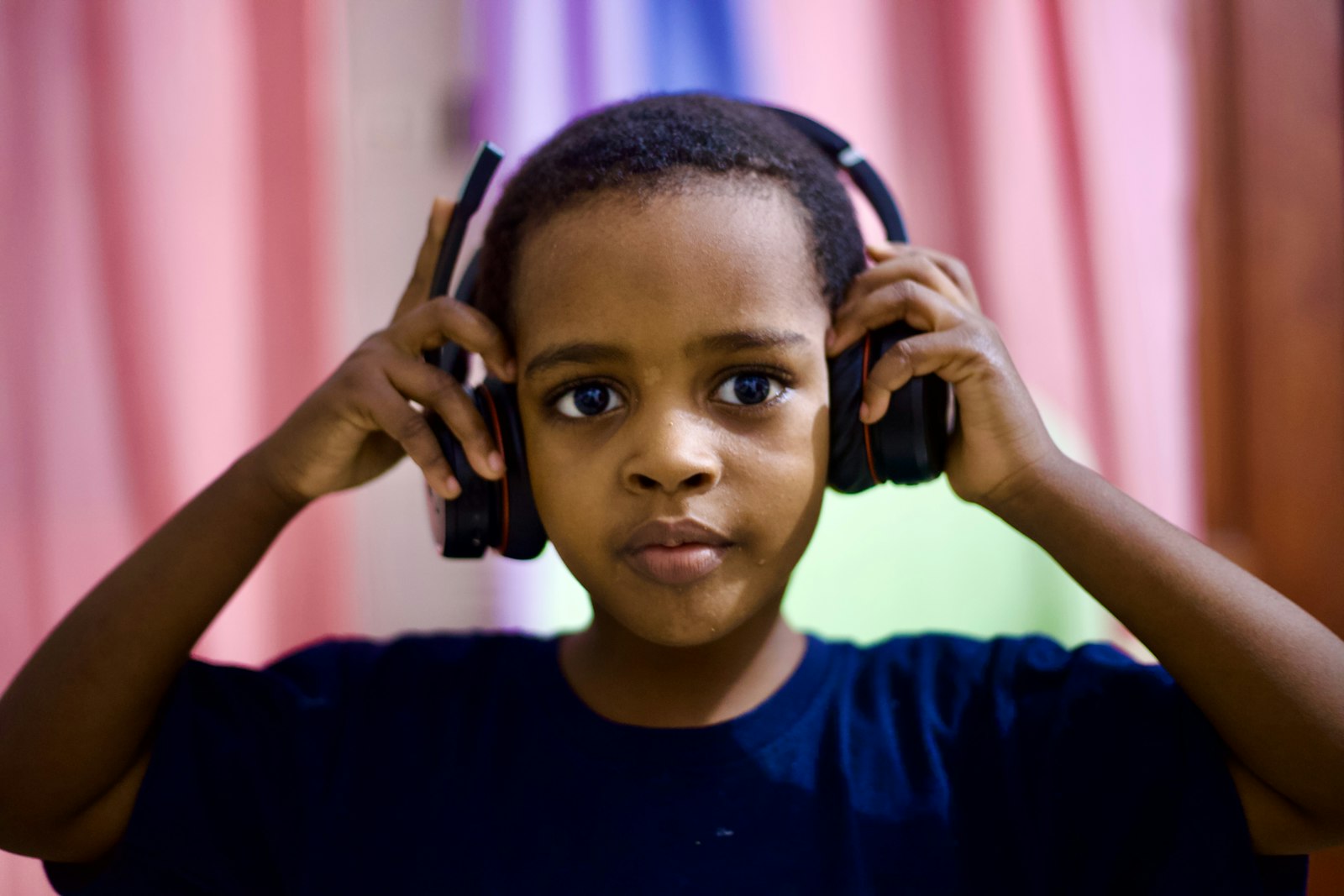
Sensory overload — what it is and what helps
Sensory overload is the upstream condition for many meltdowns, shutdowns, and "difficult behaviour" in autistic children. This piece covers what overload actually feels like, common triggers, and what helps in the moment and over time.

Behaviour & sensory
Sleep difficulties in autistic children — what helps
Sleep is harder for many autistic children — and that is biology, sensory wiring, and routine all stacking up. The good news is that most contributors are addressable; the right combination of small changes usually moves the needle.

Behaviour & sensory
Picky eating, ARFID, and autism — what helps
A high proportion of autistic children eat a narrow range of foods. What looks like fussiness is usually sensory, and sometimes ARFID. This piece walks through what is going on, what helps, and when to bring in a professional.

Behaviour & sensory
Eye contact in autistic children — what it means and what to do
For decades, "look me in the eyes" was the first thing many interventions taught — and the first thing autistic adults wish they had not been taught. This piece explains what autistic eye contact really means, why forcing it backfires, and what to look for instead.
ویڈیوز اور پوڈ کاسٹ
What is stimming? — Autism and Me
Autism and Me (BBC)
Young people explain stimming
Ambitious about Autism
Young people explain meltdowns
Ambitious about Autism
Sensory overload — can you make it to the end?
National Autistic Society (UK)
تقریبات
لغت سے
عام سوالات
What is stimming, and is it harmful?
Stimming is repetitive movement or sound (flapping, rocking, humming, spinning) that helps autistic people regulate their bodies and emotions. Most stimming is harmless and useful. Unless a particular stim hurts the child or others, the goal is not to stop it; the goal is to give it room.
How can I help when my child is overwhelmed by their senses?
Reduce input first, talk later: dim the lights, lower sound, move to a quieter space, give physical space. Avoid asking questions or explaining; the child usually cannot process language well in that state. A calm, predictable presence is the best help. Over time, an occupational therapist can help map the specific triggers.
How do I handle a meltdown in public?
In the moment: get your child somewhere quieter and lower the input: quieter voice, dim phone, less talking. You are not performing for the people around you; you are taking care of your child. If you can move, do; if you cannot, sit near them and protect them from being approached or photographed. Afterwards, both of you will need rest. Anyone judging the scene is not a person whose opinion matters.